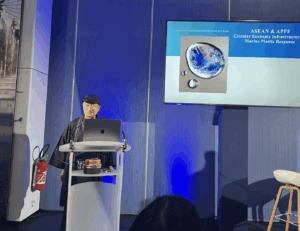
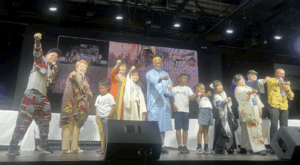
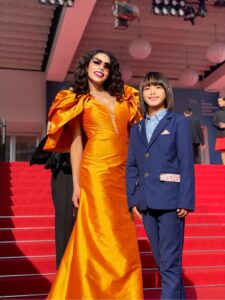
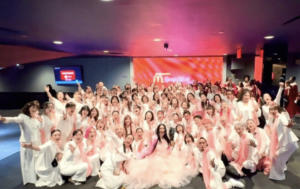
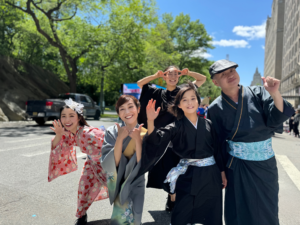
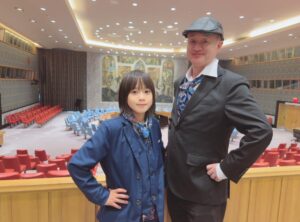
WORLD HIKARI Project attended the Montreal Film Festival in Canada, where we introduced our approach to supporting disaster recovery through filmmaking.
The project brings together Wajima lacquerware craftsmanship, animation, music and AI to create a new visual experience. It also aims to use revenue from the work to fund ongoing recovery support. At the festival, we shared how these creative and social objectives come together.

Bringing Wajima Craftsmanship to New Audiences
The project combines techniques from Wajima lacquerware, a traditional craft of Japan’s Noto region, with film and music. It is an effort to introduce this inherited knowledge and skill to audiences in Japan and abroad through new forms of expression.
We hope the work will encourage viewers to discover Wajima lacquerware and the culture behind it. An interest in the film can become a starting point for learning about the people who have preserved these skills and the communities rebuilding their lives after the earthquake.
Connecting Film Revenue with Ongoing Support
Alongside raising awareness, we are developing a model that uses revenue from the project to support recovery efforts. The aim is to create a lasting connection between making and enjoying creative work and helping disaster-affected communities.
This approach resonated with filmmakers and audience members at the festival. It provided an opportunity to discuss both the project’s creative possibilities and how film can contribute to communities beyond the screen.
Learning About a Place Through Its Culture
Taking part in the festival reminded us that film can introduce people to the culture and concerns of a place far from their own. Enjoying a work and discovering the lives behind it can also be a way to learn about wider social issues.
WORLD HIKARI Project will build on the interest expressed in Montreal as we continue developing the film project and its contribution to Noto’s recovery.